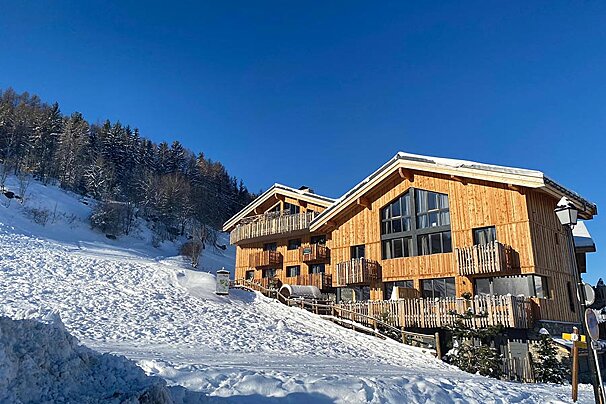
In 1968 the first resort was opened - Arc 1600. The modern architecture and purpose-built apartment blocks were far removed from the wooden chalets and old family-run hotels that characterised other resorts, but the concept worked and before too long was being imitated in other parts of the Alps. One of the names that is most associated with the design and development of Les Arcs is that of Charlotte Perriand. After 10 years working with Le Corbusier in Paris and then a year studying industrial design in Japan, she moved to Les Arcs and focused on designing the interior of the new apartment blocks. The emphasis was on practical use of a small space without compromising on comfort. Key elements were open plan living areas incorporating a combined kitchen/dining area, large windows and fewer partitions to encourage natural light and balconies to maximize the leisure space. If all this sounds very familiar then no doubt you have stayed in one of the many ski resorts influenced by the practical design concepts of Charlotte Perriand!
Three main concepts determined the development of Les Arcs: (1) respect for the natural beauty of the land; (2) the conservation of existing old mountain chalets; (3) the use of local materials. Although the buildings of Les Arcs are modern in their design they are intended to integrate with the landscape – no building overlooks another or dominates the resort. Although the traditional mountain chalets were carefully preserved, their style was not imitated. The idea behind this was that their integrity was not to be compromised by the creation of a ‘faux’ hamlet full of new-build old-style chalets.
In 1975, Arc 1800 was opened at the Hotel du Golf welcomed its first visitors. Larger than Arc 1600 it comprised four sectors; Le Charvet, Le Chantel, Les Villages and Charmettoger. It remains the largest and the liveliest of the Les Arcs resorts.
Just four years later Arc 2000 opened in conjunction with the Club Med. Up to this point, the various building projects had all followed the design protocols laid out by the first development in Arc 1600. However, as the ski industry grew tourists were becoming more discerning and wanted their resorts to offer not just a vast ski area and miles of pistes but an Alpine character reminiscent of years gone by. 1960’s architecture became passé (in all communities, not just ski resorts) and future projects would bear this in mind.
Les Arcs is known for being at the vanguard of snowboarding; it is one of the few resorts that embraced this new snow sport right from its early days in America. In Europe the late 70’s and early 80’s were all about garish one-pieces (that looked suspiciously like shell suits) and mono-skis. During the winter season of 1981-82 the Winterstick Team came over from the States to spread the word and teach this new sport to local ski instructors. One instructor in particular was fascinated with snowboarding and continued practicing long after the Americans had headed home; his name, Régis Rolland, is now synonymous with snowboarding. Two years later he, along with fellow snowboarder Alain Gamard and French filmmaker Didier Lafond, would make cult snow sports film Apocalypse Snow. The film now looks a little ropey, when compared to some of the extreme mountain sports footage of more recent years, but it was instrumental in getting snowboards in shops and on the slopes. The main crux of the film is a cool snowboarder (Régis Rolland) being chased across the mountains by a gang of dastardly mono-skiers - with everyone decked out in eye-catching winter fashions of the time. In 2008 the film got its long-awaited sequel, Apocalypse Snow – La Retour, once again starring Régis Rolland performing death-defying stunts in a James Bond style sequence of events. Les Arcs has positively encouraged snowboarding ever since and, as well as the wealth of natural terrain, has a number of great snowparks.